
[2026 Update] This article outlines the seven golden rules for implementing OKRs, specifically tailored for mid-level managers (with fewer than three years of experience) within the 2026 business landscape. The content focuses on merging practical management logic, AI technology, and an empowerment culture to maximise team performance.
Introduction: Why Organizations and Mid-level Managers Need OKRs in 2026
In the non-linear business era of 2026, mid-level managers are no longer merely “messengers” but the “chief architects” of team performance. Mastering the golden rules for implementing OKRs enables you to transition from micromanagement to result-oriented leadership, particularly as hybrid work models and AI integration have become the global standard.

Google is a classic example and inspiration for the OKRs management method.
The 07 Golden Rules for Implementing OKRs
1. The Mindset Principle: OKRs as a Compass, AI as an Assistant
In 2026, AI can assist you in drafting dozens of Key Results (KRs) in seconds, yet strategic intuition remains a human prerogative.
- Content: Use AI to analyse market data and suggest measurable indicators (KRs), but the manager must refine and set Objectives that are human-centric and inspiring. For example: AI might suggest increasing conversion by 20%, but your Objective should be: “Deliver the most seamless shopping experience for new customers.”
- Core Value: Focusing on substantive outcomes rather than the glamour of technology.
2. The Alignment Principle: From Cascading to Network Alignment
Implementing OKRs is not just about looking “up” to executives, but also looking “sideways” at peers.
- Content: Eradicate the “silo” mentality. Ensure your team’s OKRs support and synchronise with relevant cross-functional departments.
- Core Value: Creating consistency across the entire organisational system through a shared “North Star Metric”.
3. The Lean Principle: “Less is More”
The most common mistake for young managers is being over-ambitious with goals.
- Content: Apply the Pareto Principle (80/20). Instead of spreading resources thin, focus on a maximum of three Objectives with the highest impact. Limiting the number of goals prevents your team from becoming overwhelmed and maintains a sharp focus on what truly matters.
- Core Value: Absolute concentration on goals capable of shifting the business landscape.
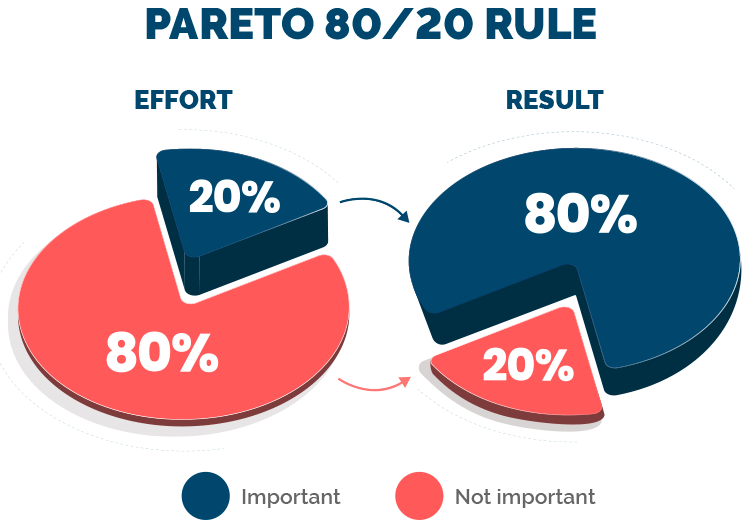
Identifying and focusing on what is important is paramount to achieving maximum effectiveness.
4. The Feedback Principle (CFRs 2.0): The System’s Heartbeat
CFRs (Conversation, Feedback, Recognition) in 2026 are conducted in real-time rather than waiting until the end of the quarter.
- Content: Shift from control to coaching. Weekly 45-minute check-ins are mandatory to maintain momentum. Use these sessions to identify roadblocks early and provide timely support.
- Core Value: Situational leadership and supporting employees to overcome barriers as they arise.
5. The Transparency Principle: A Culture of “Honest Data”
A successful OKR system is built upon a foundation of integrity.
- Content: Encourage employees to report honest figures, even if a goal is currently at “red” status. A failure detected early through OKRs is more valuable than a deceptive success on paper.
- Core Value: Building trust and absolute transparency within the team.
6. The Co-creation Principle: Cultivating Trust & Ownership
Employees will exert more effort towards goals they have directly helped to establish.
- Content: Apply the 60/40 ratio (60% of goals suggested by employees based on the general direction). The manager acts as a facilitator, listening and fine-tuning to align individual goals with the organisation’s vision, thereby creating the highest level of self-commitment.
- Core Value: Igniting proactivity and individual responsibility in every task.
Challenging goals can only be achieved with strong team contributions.
7. The Performance Principle: OKRs as a Growth Operating System
Setting OKRs is not about adding more work; it is about eliminating unnecessary work.
- Content: Use OKRs to decline “off-track” projects that do not contribute to the common goals. Optimise resources to achieve the highest possible productivity.
- Core Value: Result-oriented focus and practicality in all operational activities.
In general, OKRs are a powerful goal management system that offers numerous benefits for businesses, from strategic alignment and enhanced accountability to driving work performance and optimizing resources. By scientifically and flexibly applying the lessons and management principles of Google’s OKRs, businesses can overcome challenges in setting and achieving goals, creating a solid foundation for sustainable development.
——–
Frequently Asked Questions (FAQ) for Young Managers
Q1: Where should I start implementing OKRs if my team is very small? Answer: Even a team of 3–5 people requires clarity. Start with the single most important Objective for the quarter and conduct regular weekly check-ins.
Q2: How can I tell if a Key Result (KR) is effective? Answer: A good KR must be measurable, time-bound, and directly reflect the success of the Objective, rather than being just a “to-do” list of tasks.
Q3: Can AI completely replace the process of setting OKRs? Answer: No. AI supports data analysis and structural suggestions, but understanding the cultural context and inspiring human beings is an irreplaceable responsibility of the manager.
Mastering these 07 golden rules for implementing OKRs is a strategic move that helps mid-level managers assert their leadership in the new era. Remember: OKRs are not just about mere and fixed numbers; they are about nurturing talents of your organization also the essential foundation for advancing the business.
Updated by: OKR.BUSINESS – March 2026